From Pinterest to Production: How DIY Creators Across the U.S. Are Building Six-Figure Brands

Sometimes it all starts small. A man makes candles, knits a sweater, makes a mug. Just because I like it. And then one of my friends asks me to repeat it, uploads a photo, and puts a mark. That’s how the audience appears. And then there’s the opportunity to turn a hobby into income, sometimes six figures, and build your own brand around it.
These DIY creators are not dreamers, but entrepreneurs of a new type. They don’t wait for investments, they don’t go to the office. Their business is growing out of a love of process and attention to detail. Each hand-crafted item bears an imprint of character. A customer doesn’t just buy a thing, they choose a person, their story, their vision. And this makes the product come alive.
Building A Brand Through Authenticity And Connection

The secret of success is not in advertising, but in the ability to tell. Content has become their main tool. Videos, short posts, honest photos without staging everything works if there is authenticity. People feel sincerity. Subscribers turn into buyers, and buyers turn into a community that promotes the brand itself.
Some started by selling jewelry or handmade art through online platforms, while others filmed the process of creating ceramics or designing their own graphic design bundles to share with fellow creators. Now many of them are earning sums they hadn’t thought of before. Six–figure incomes are no longer an exception; they have become a confirmation that creativity and discipline can replace the office and bosses.
But this path is not easy. To keep your attention, you need to constantly create content, look for new ideas, and try out formats. Some have videos about the process, others have storytelling about life behind the scenes. It’s all part of marketing. And at the same time a part of life.
The Rise Of Independent Creative Entrepreneurship
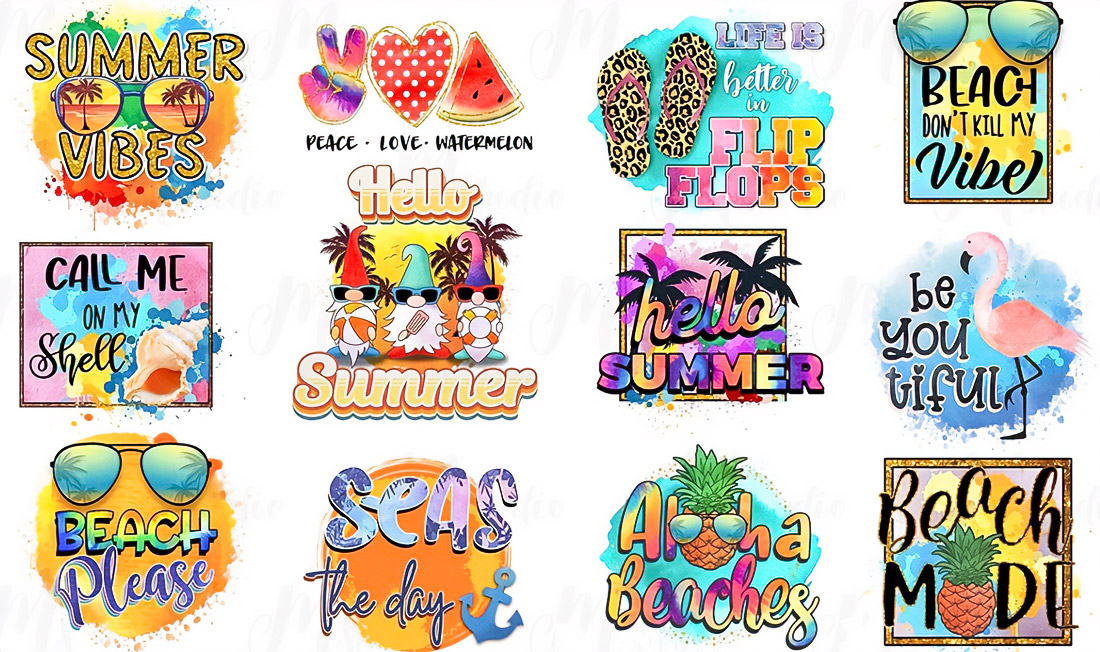
The creators build a business without intermediaries. They are responsible for the design, packaging, advertising, and logistics themselves. It requires flexibility, but it gives you independence. This is the essence of modern creative entrepreneurship: a combination of skill and marketing, craft and analytics, inspiration and strategy.
The role of women should be noted separately. More and more women in the United States are turning creativity into a sustainable source of income. For many, this is a way to gain financial freedom, combine family and work, and do things that bring joy. Their stories prove that the path from hobby to business is real if you have faith in the product and a willingness to learn.
Social platforms have become a full-fledged market for such entrepreneurs. They don’t just sell, they build relationships with customers. Every like becomes a part of the marketing chain, and every message becomes feedback. What is valued here is not scale, but attention. Small businesses benefit from human contact.
DIY-the economy is growing. Thousands of creators are shaping a new market based on individuality, resilience, and trust. There are no loud slogans in this movement, only work, creativity and an honest attitude to business. And that’s probably why it’s so inspiring.