How Passport MRZ Errors Impact Hotel Compliance Audits

The guest registration process has long remained a weak link in hotel operations. Queues at the counter, tired staff, manual data entry, mistakes in names and document numbers – all this was perceived as an inevitable part of the arrival. Even in hotels with modern management systems, passport data was most often entered manually.
Today, this approach is becoming a problem. Not only in terms of service, but also in terms of security, compliance, and personal data protection.
This is why hotels increasingly rely on automated identity verification using MRZ, OCR, and direct integration with the Property Management System, powered by a passport scanner or a dedicated ID scanner.
MRZ: a Standardized Zone Designed for Machines
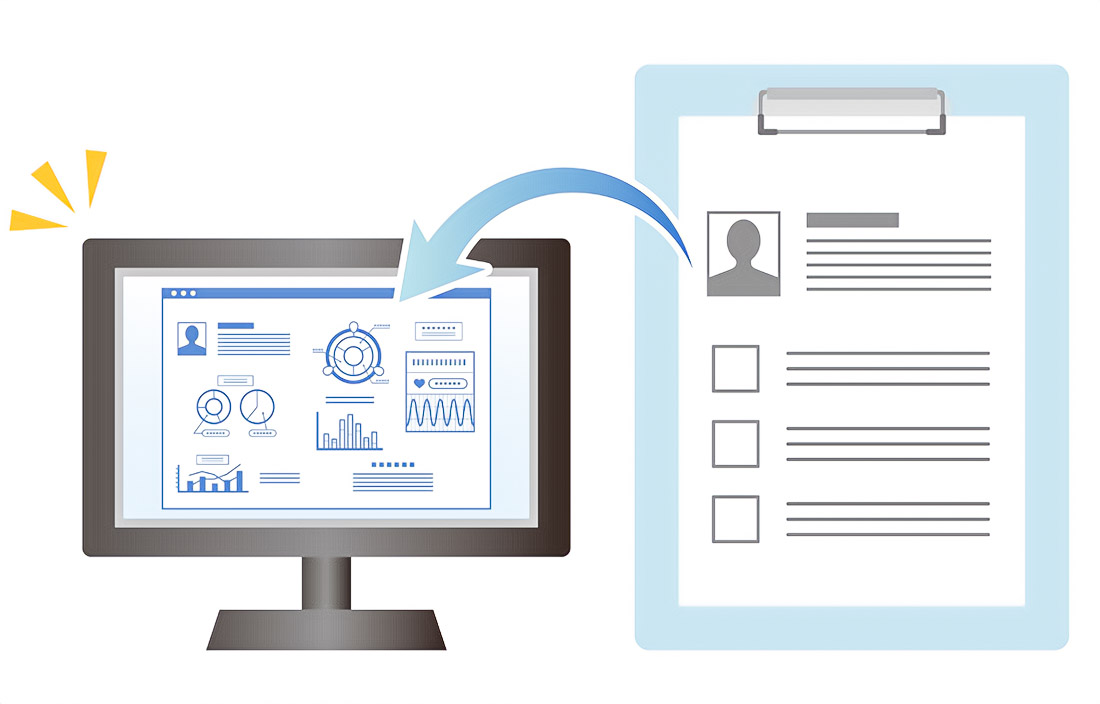
The Machine Readable Zone is a machine-readable zone located at the bottom of your passport or ID card. Its format is strictly defined by the ICAO Doc 9303 standard. That is why the MRZ is equally readable by systems in different countries and jurisdictions.
Basic identification data is embedded in the MRZ: name, date of birth, citizenship, document number and validity period. For passports, the format consists of two lines of 44 characters each. For ID cards – three lines of 30 characters each. Each field is protected by check digits calculated modulo 10 with weights 7-3-1.
Even a slight distortion of the symbol leads to a checksum mismatch. The machine notices it right away. Man is not always human.
It is this strict structure that makes MRZ an ideal basis for automatic document verification.
OCR Under MRZ: Not Just Text Recognition

Optical character recognition in a hotel context is not universal OCR. We are talking about specialised models trained to work specifically with MRZ and OCR-B fonts.
The system first detects the document in the frame, then adjusts the perspective, compensates for glare and low light, highlights the MRZ zone, and only then recognises the characters. The final stage is checking the check digits.
Even in real conditions, with imperfect light and slightly damaged documents, the whole process takes less than two seconds. This is critical for the hotel. The registration time is reduced from 3-7 minutes to about 30 seconds. No queues. No fuss. Without repeated checks.
PMS and Error-Free Automatic Filling

After MRZ recognition, the data is transmitted directly to the PMS. Usually via an API using JSON and webhooks. The name, date of birth, document number, and nationality are automatically added to the guest’s profile.
Manual input is completely excluded. And with it, the main source of errors disappears.
Operational data shows that automatic extraction accuracy exceeds 99%. Manual input, by contrast, regularly produces errors, especially during busy check-in windows. A properly configured ID scanner ensures consistency even when staff turnover is high.
Additionally, the system can compare data with existing bookings, accommodation history, and repeat visits. For a guest, it looks like “quick and easy”. For a hotel – it’s like the order in the data.
Data Security and Regulatory Requirements

Scanning passports means working with personal data. This automatically includes GDPR, AML, and KYC requirements.
Modern solutions use encryption during data transmission (TLS 1.3) and during storage (AES-256). Access is regulated by roles. All actions are logged. The data storage period is configurable, from a short-term cache of 30 minutes to longer periods, if required by local law.
The guest’s consent to data processing is recorded digitally. Checks on the sanctions lists and visa deadlines are performed automatically and unnoticed by the user.
It is important that compliance no longer slows down the registration process. It’s built into it.
Why is MRZ Alone Not Enough
MRZ is a tool for speed, not absolute protection. There are generators that can create formally valid MRZ with correct check digits.
Therefore, in high-reliability systems, the MRZ is used as a starting point for accessing data from an embedded electronic document chip. Reading the chip allows you to obtain encrypted data and biometric parameters that cannot be forged by printing.
This multi-level approach dramatically reduces the risk of fraud and improves the quality of identification.
Measurable Effect on Operational Activity
Automation of registration gives not an abstract but a completely measurable result. With a flow of about 300 guests per day, savings range from 15 to 25 man-hours daily. Queues at the reception during peak hours are reduced by about 65%.
Employees are no longer data entry operators. They return to work with the guests.
Upselling plays an additional role at the time of registration completion. Contextual offers of upgrades and additional services show a conversion rate of 12-18%, without creating pressure or impairing the guest’s impression.
The payback period for the implementation of such solutions, as a rule, is 6-12 months.
MRZ, OCR, and integration with PMS are no longer experimental technologies. It is a mature infrastructure that reduces errors, speeds up processes, and reduces legal risks.
The guest gets a quick and clear check-in. The staff prefers a more relaxed and manageable job. The hotel is pure data and predictable processes.
And it all starts with one action – scanning a document.