Sports Recovery Massage for HYROX Athletes in Dubai
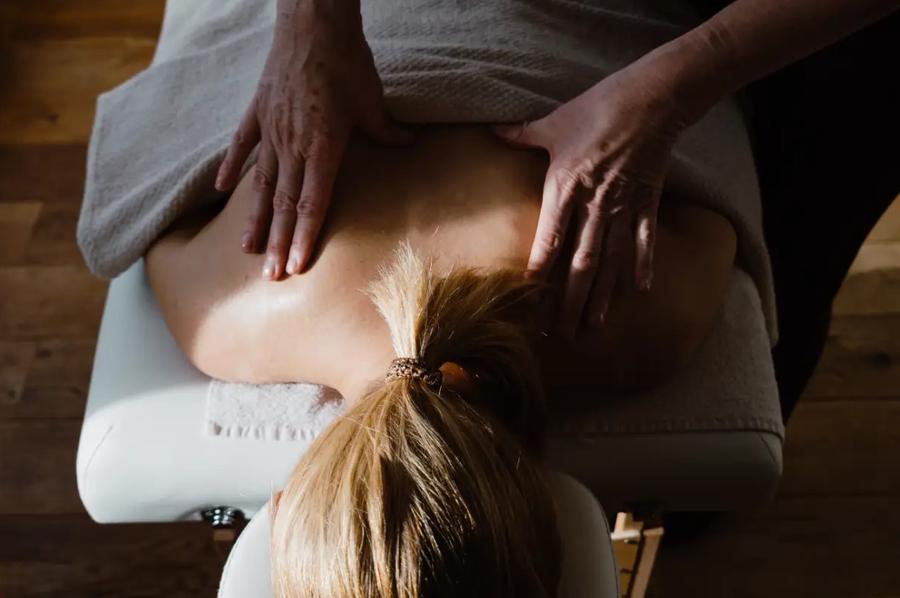
Sports activities rarely go away without a trace. Even well-trained athletes face muscle tension, stiffness, and decreased mobility after intensive training sessions. The higher the load, the more the tissues need a full-fledged recovery process. This is especially noticeable in hot climates, where temperatures can rise to 40-45°C, and muscles and connective tissues experience additional stress almost daily.
Sports massage therapy helps the body to adapt to stress faster. And it’s not just about relaxation. Much more important are circulation improvement, tissue healing, and injury risk reduction. That is why sports recovery has long been a part of regular physical conditioning for runners, swimmers, gym-based athletes and people with high physical activity, especially those already familiar with deep tissue massage Dubai recovery methods.
Why Muscle Recovery Affects Performance
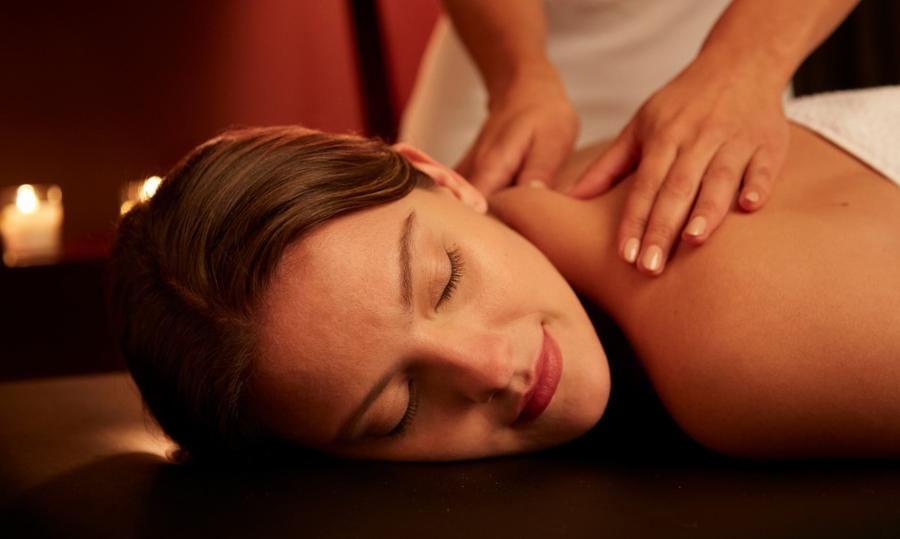
During active training, muscle fibers get micro-injuries. Metabolic waste gradually accumulates, oxygen flow deteriorates, and connective tissues become less elastic. If the recovery routine is missing, chronic tightness, soreness, and movement restriction appear. Over time, this leads to overuse injuries and decreased athletic performance.
Deep tissue massage helps to work with deeper muscle layers, where tension is most often maintained after repeated stress and heavy lifting. By improving blood circulation, the tissues receive more nutrients, and lactic acid is excreted much faster. As a result, muscle stiffness is reduced, range of motion is restored, and movement quality is improved.
Many athletes notice the difference after only a few recovery sessions. The movements become freer. The feeling of constant heaviness disappears. Fatigue decreases between workouts.
Trigger Point Therapy And Soft Tissue Treatment
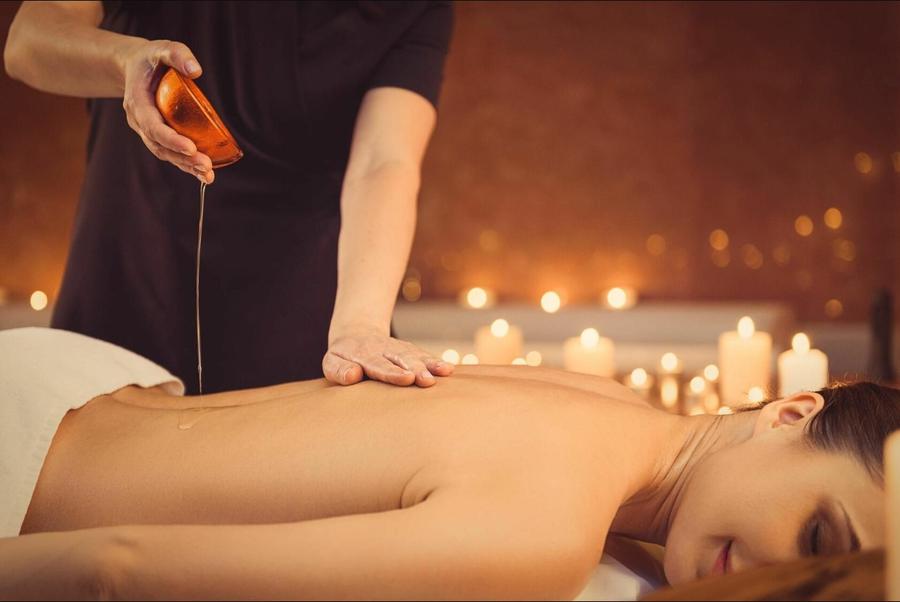
Relaxation alone is not enough for heavy loads. When muscles are in constant tension, trigger points form inside the muscle fibers dense painful areas that limit mobility and flexibility. Trigger point therapy helps to remove these tension patterns and restore normal tissue movement.
Additionally, sports massage therapists use myofascial release. Fascia surrounds muscles and connective tissues, so any fascia restrictions quickly affect movement efficiency. The man begins to move stiffly. Discomfort appears under normal load. Sometimes the limitation of mobility is felt even while walking.
Myofascial release along with assisted stretching helps to restore tissue glide between tissue layers. This improves flexibility enhancement, reduces post-exercise stiffness, and reduces the risk of recurring injuries.
Pre-Event And Post-Event Massage For Faster Recovery
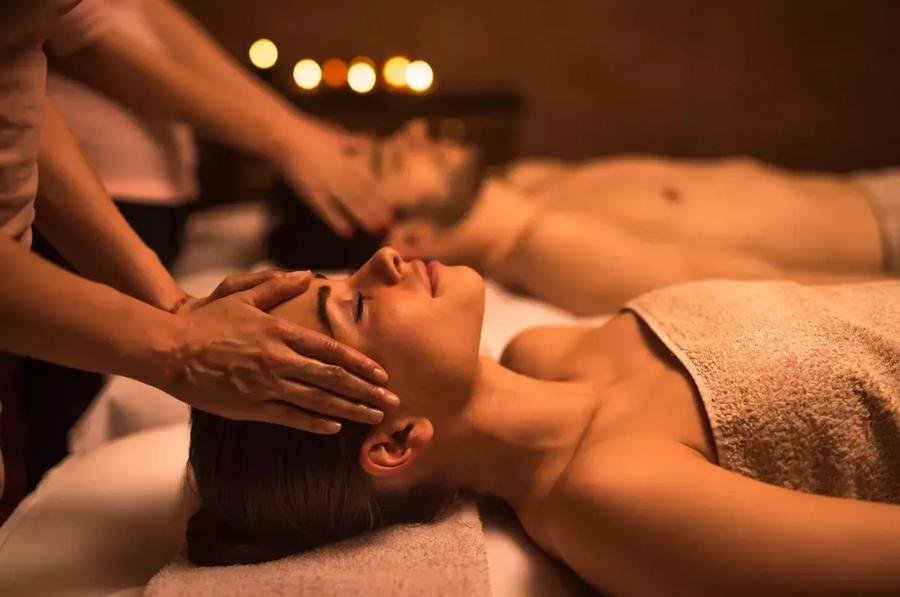
Pre-event massage is usually performed about 4 hours before physical activity and lasts about 10-15 minutes. His task is to prepare muscles and joints for intensive work. During the procedure, circulation stimulation is activated, movement readiness increases, and the likelihood of strains and sprains decreases.
Post-event massage works differently. After competition or intense training, the tissues remain overloaded, and inflammation and soreness can persist for several days. That is why sports rehabilitation often includes massage therapy for 72 hours after exercise.
This recovery technique helps to speed up tissue repair, reduce muscle pain, and improve recovery between training sessions. With regular manual therapy, athletes return to full-fledged activity faster without marked fatigue and movement restriction.
In addition, maintenance massage helps maintain balanced movement patterns and prevent muscle imbalance even before a serious injury occurs. It is this approach that allows you to maintain stable athletic recovery even with constant loads and a busy training schedule.